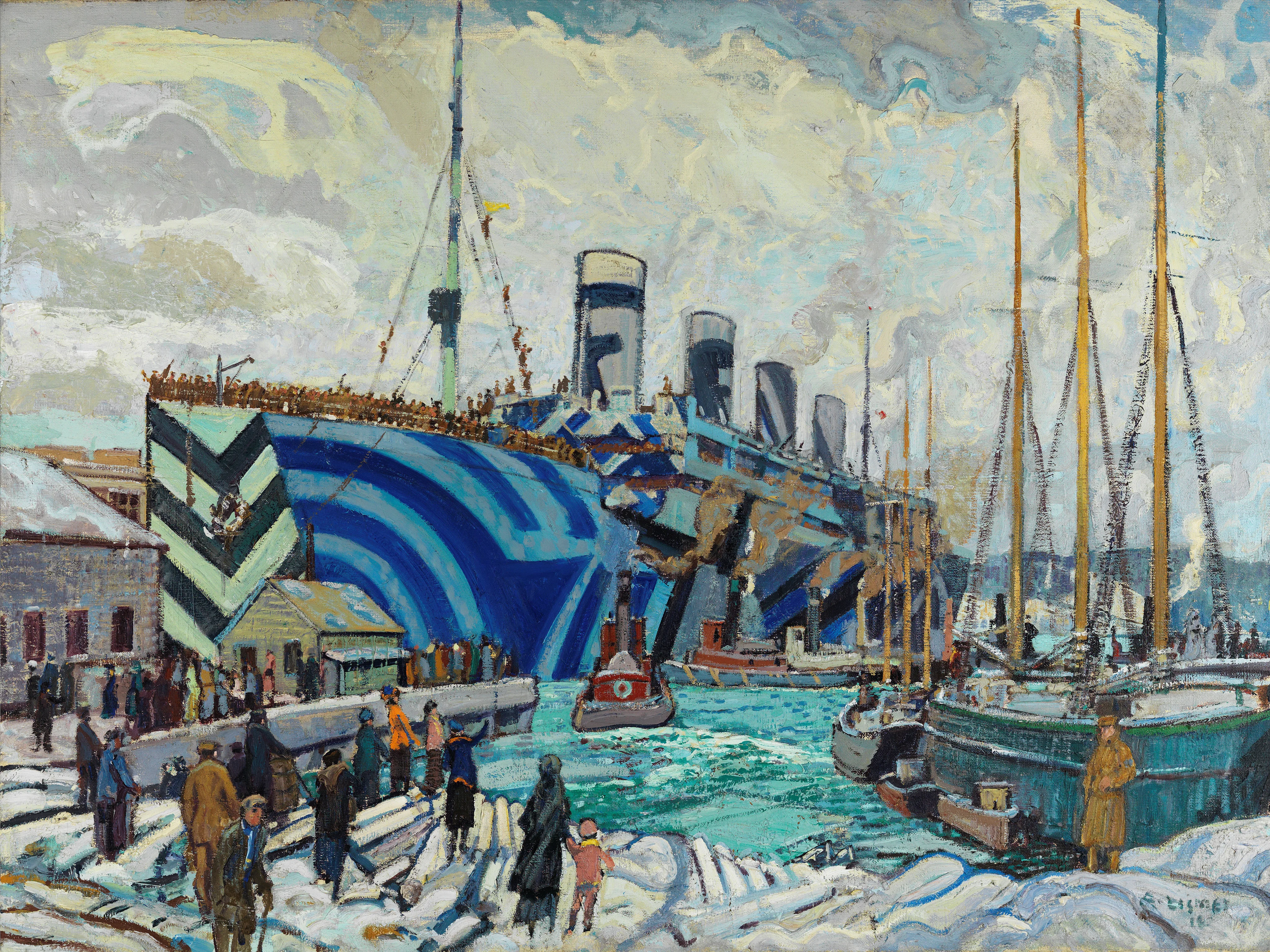
Dazzle Camouflage ship painting, United States and Allied Forces, (1917 to 1945)
Dazzle camouflage was designed to confuse rather than conceal. Bold, high contrast geometric patterns were painted onto ships to distort perception, making it difficult for enemy observers to judge a vessel's speed, direction, and distance. This uncertainty reduced the accuracy of submarine and artillery attacks at sea. Dazzle remains a powerful example of how art, optics, and human perception were deliberately used to protect soldiers, civilians, and critical supply routes during both World Wars.
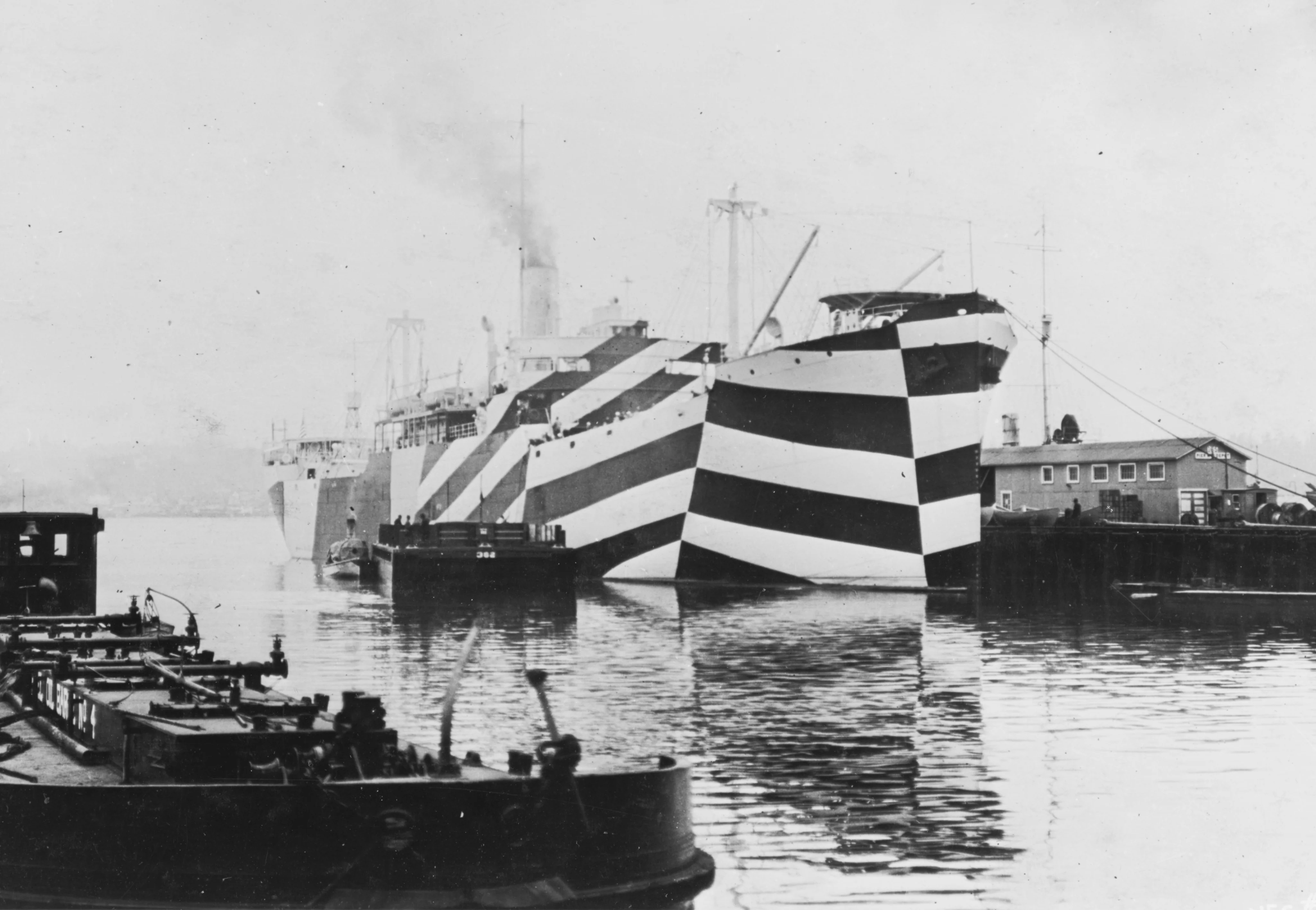
Dazzle Camouflage ship painting, United States and Allied Forces, (1917 to 1945)
Dazzle camouflage was designed to confuse rather than conceal. Bold, high contrast geometric patterns were painted onto ships to distort perception, making it difficult for enemy observers to judge a vessel's speed, direction, and distance. This uncertainty reduced the accuracy of submarine and artillery attacks at sea. Dazzle remains a powerful example of how art, optics, and human perception were deliberately used to protect soldiers, civilians, and critical supply routes during both World Wars.
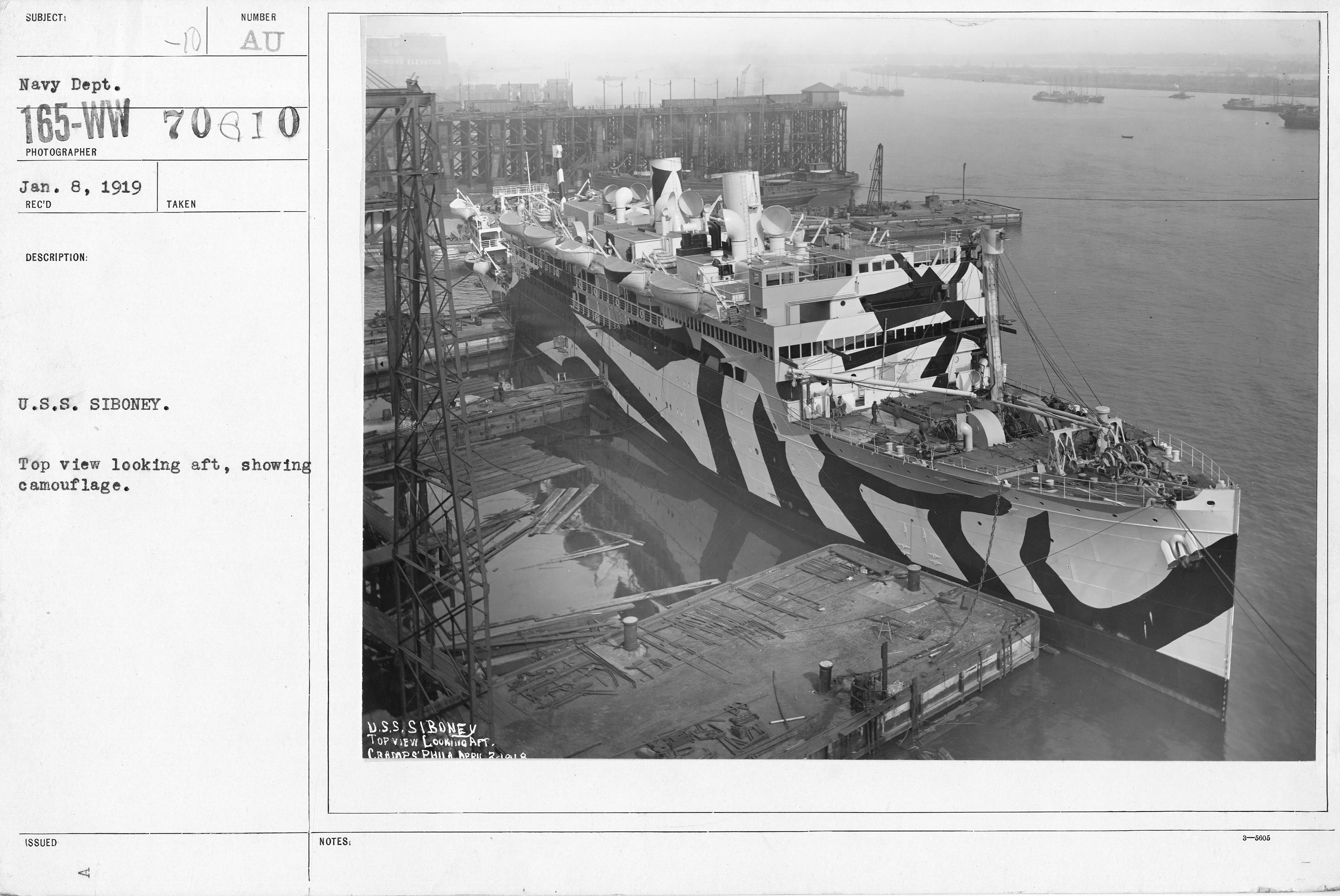
Top view of the U.S.S. Siboney. Jan. 8, 1919
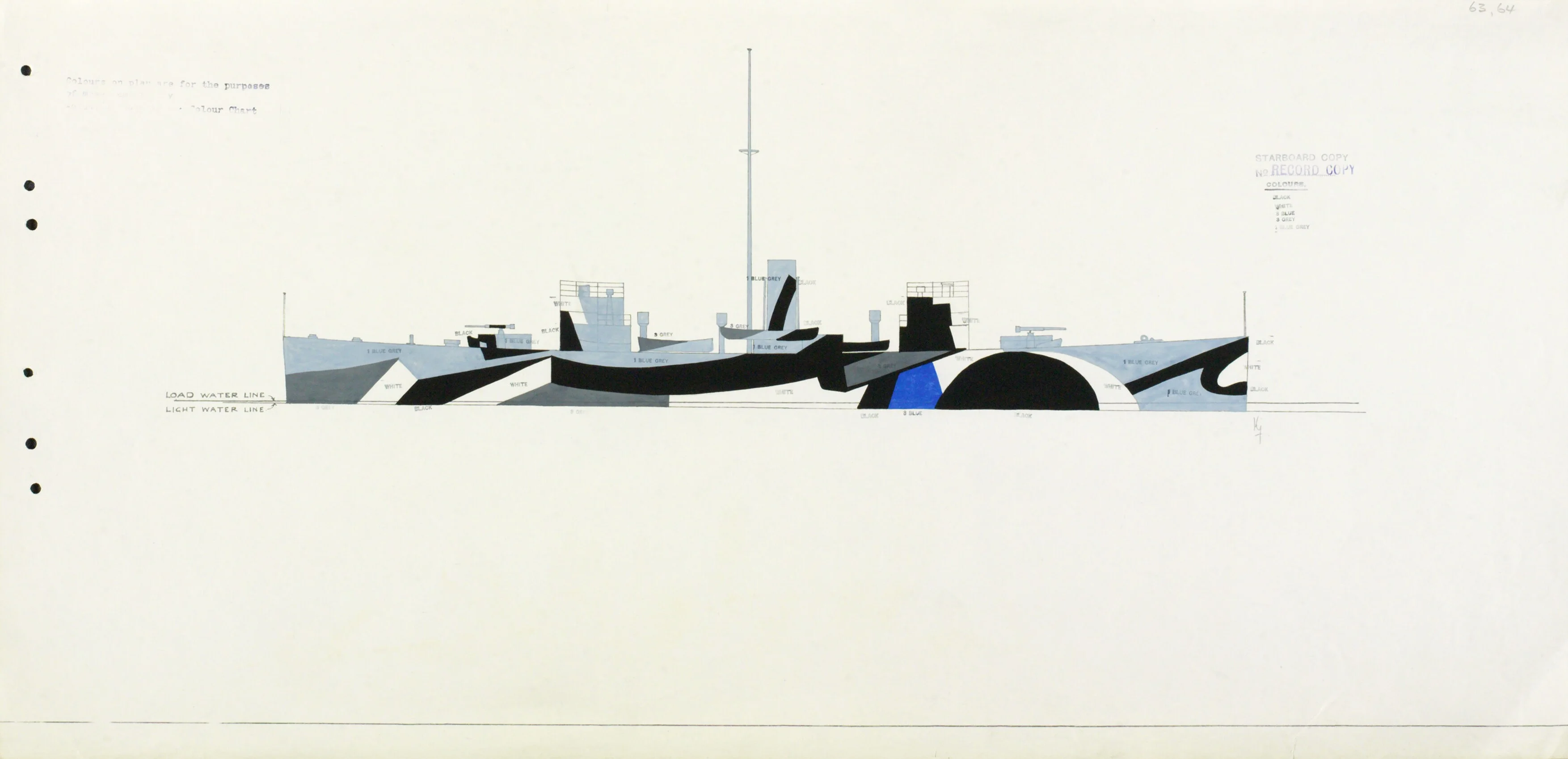
Drawing of dazzle camouflage on a ship
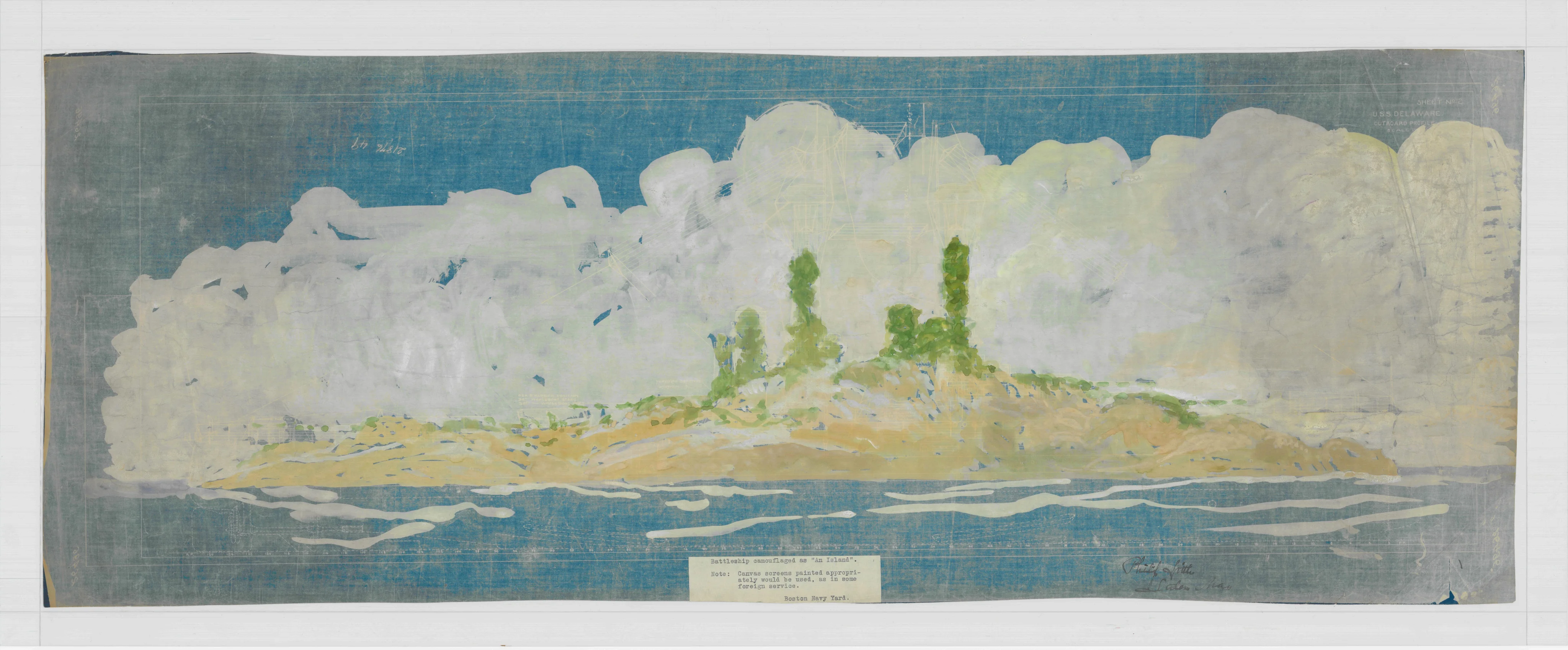
Drawings for a battleship camouflaged as "An Island"
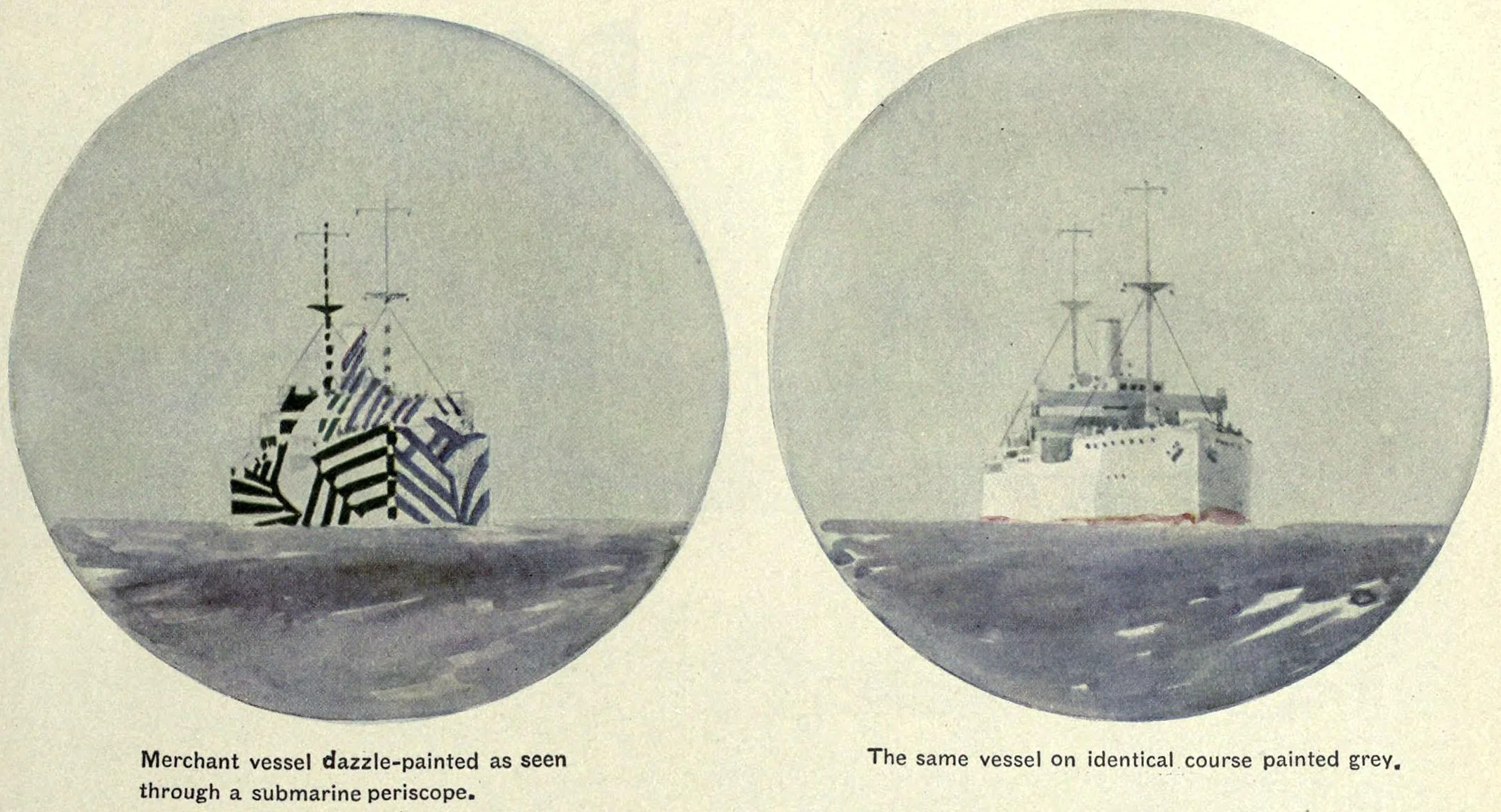
Artist depiction of how dazzle camouflage appears through a submarine periscope.
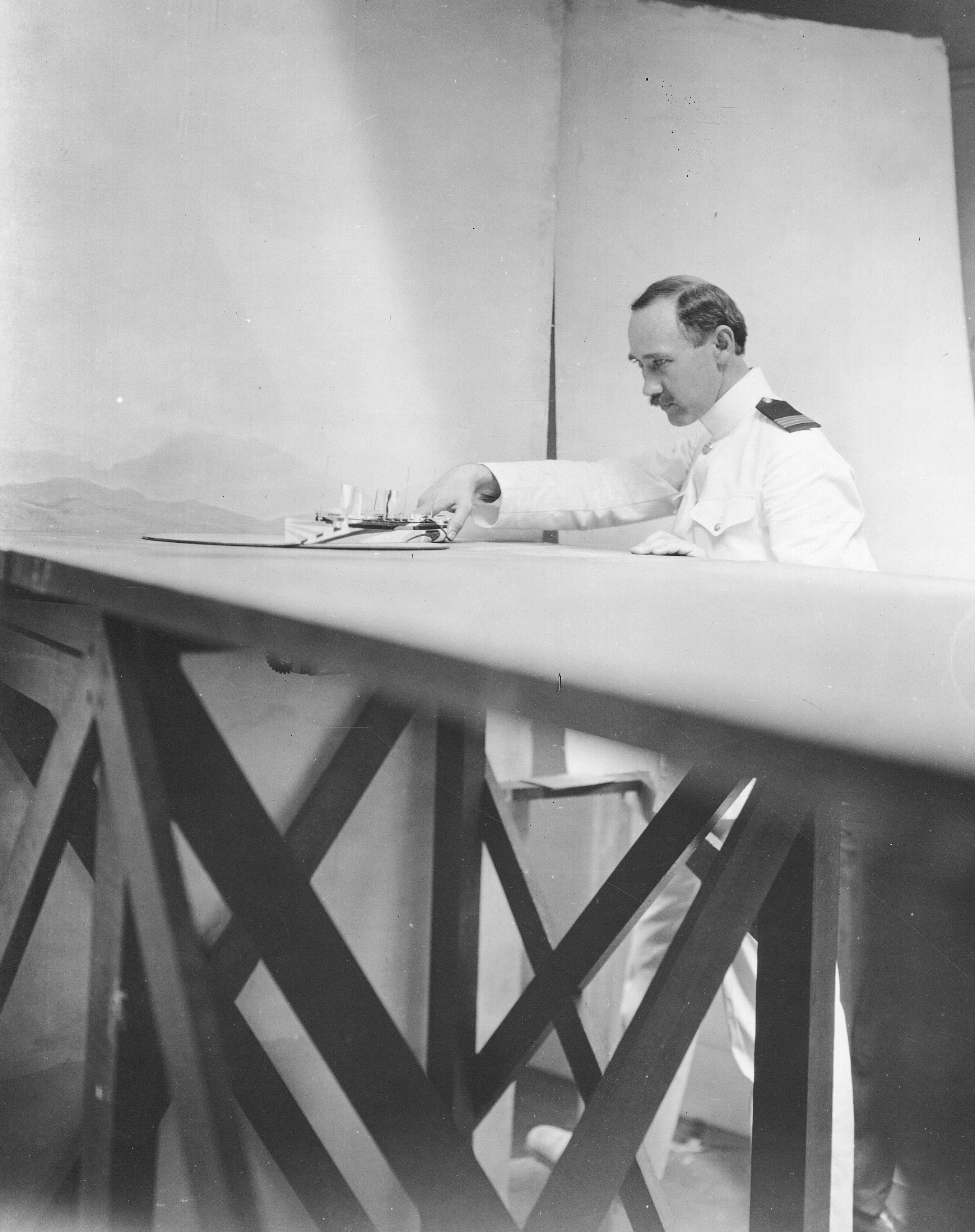
Experiments on Model Vessels to illustrate various methods on different types of ships. July 12, 1918
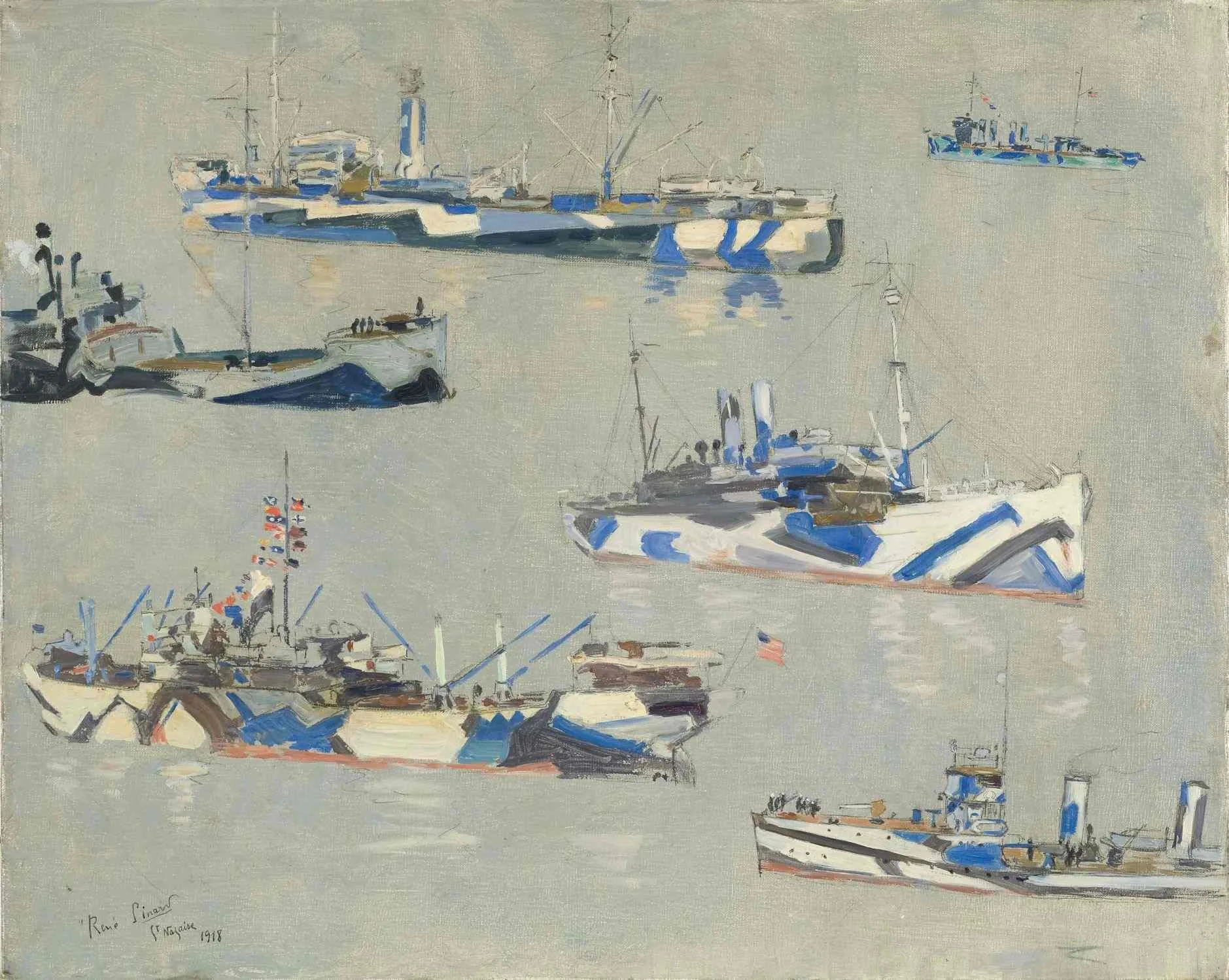
Paintings of various types of ships painted in dazzle camouflage by Rene Pinard, 1918
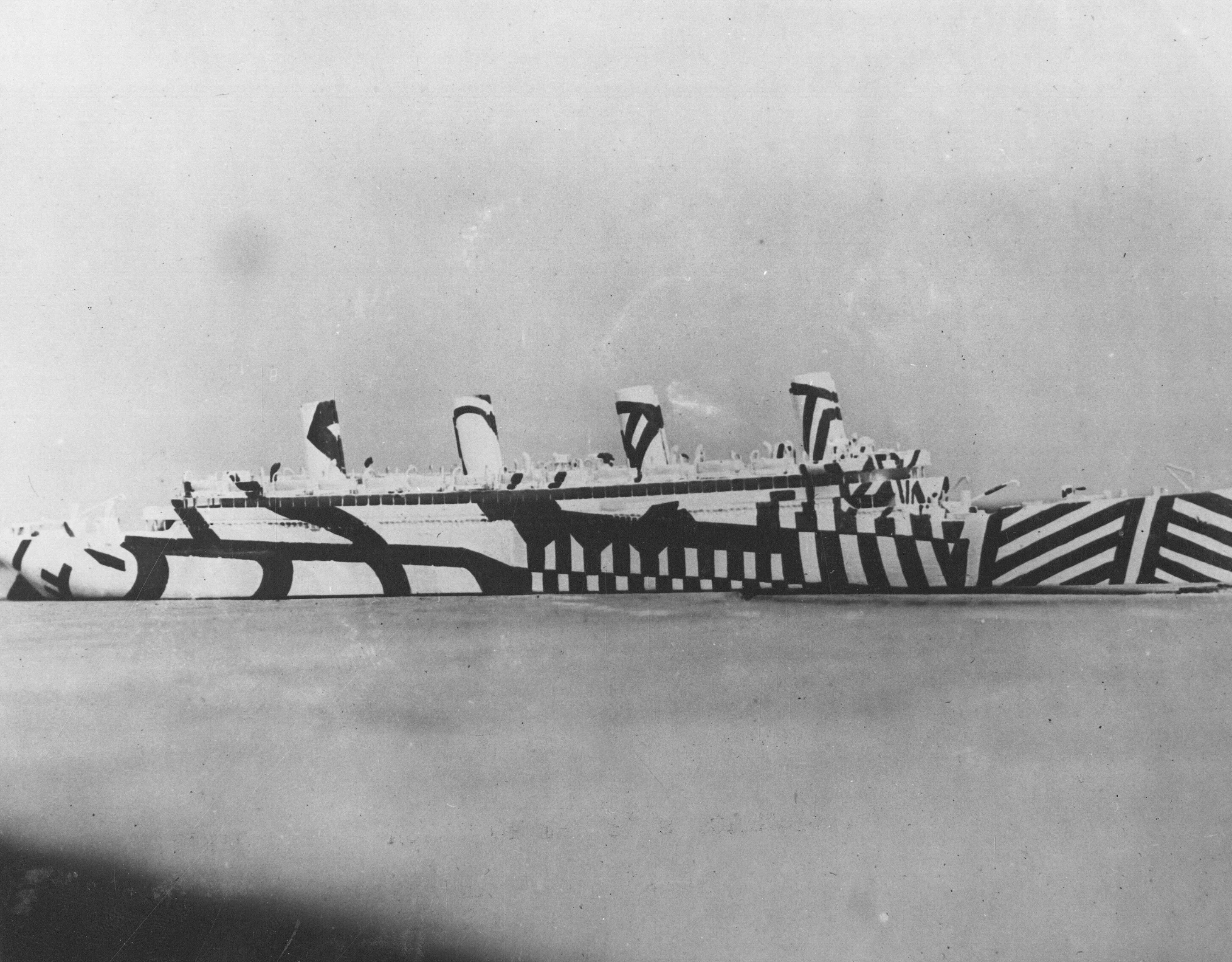
Model of S.S. Olympia Dazzle Painted, 1919
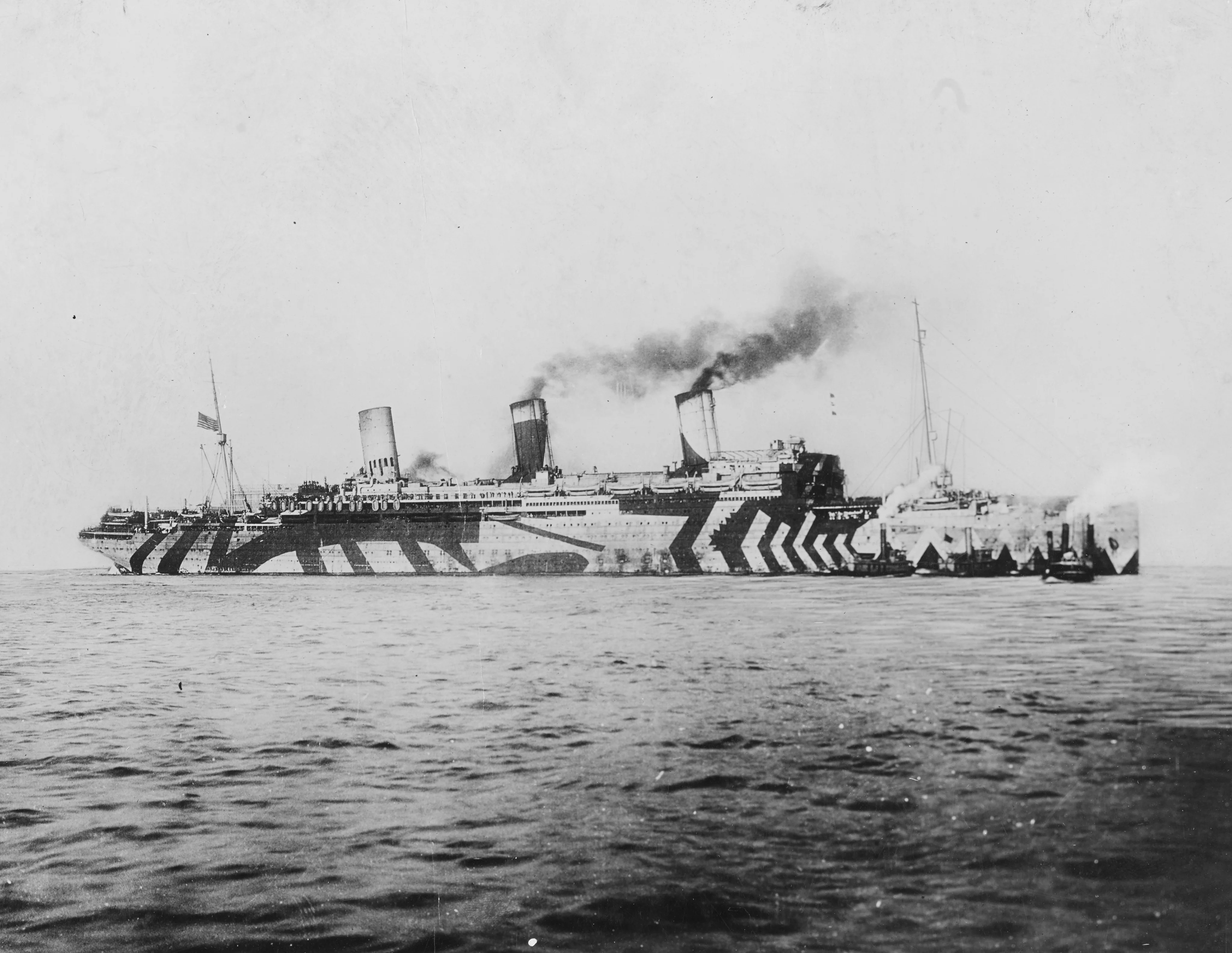
U.S.S. Leviathan, 1918
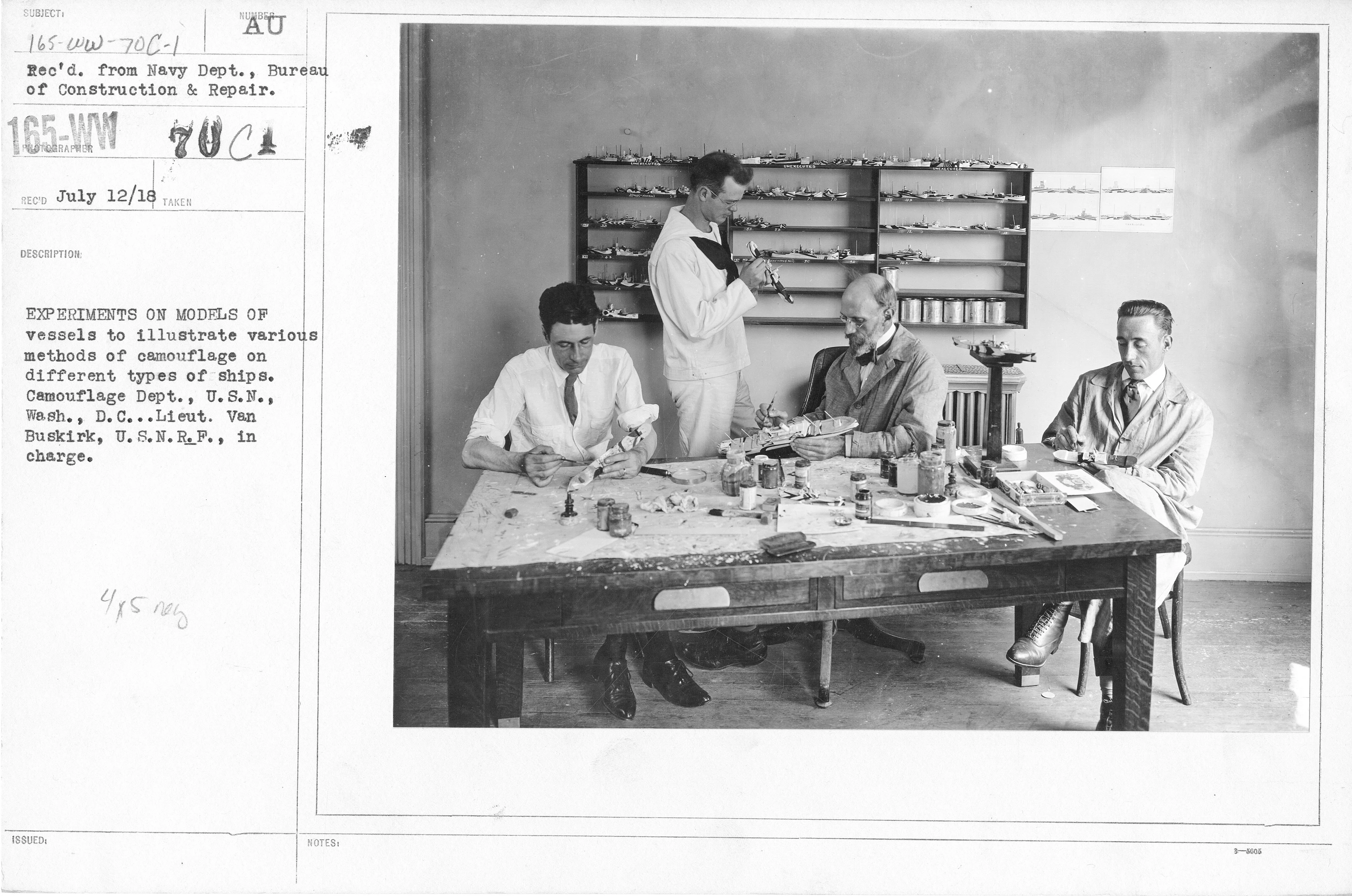
Camouflage Depart., U.S.N., making models of vessels to illustrate various methods of camouflage on different types of ships. July 12, 1918
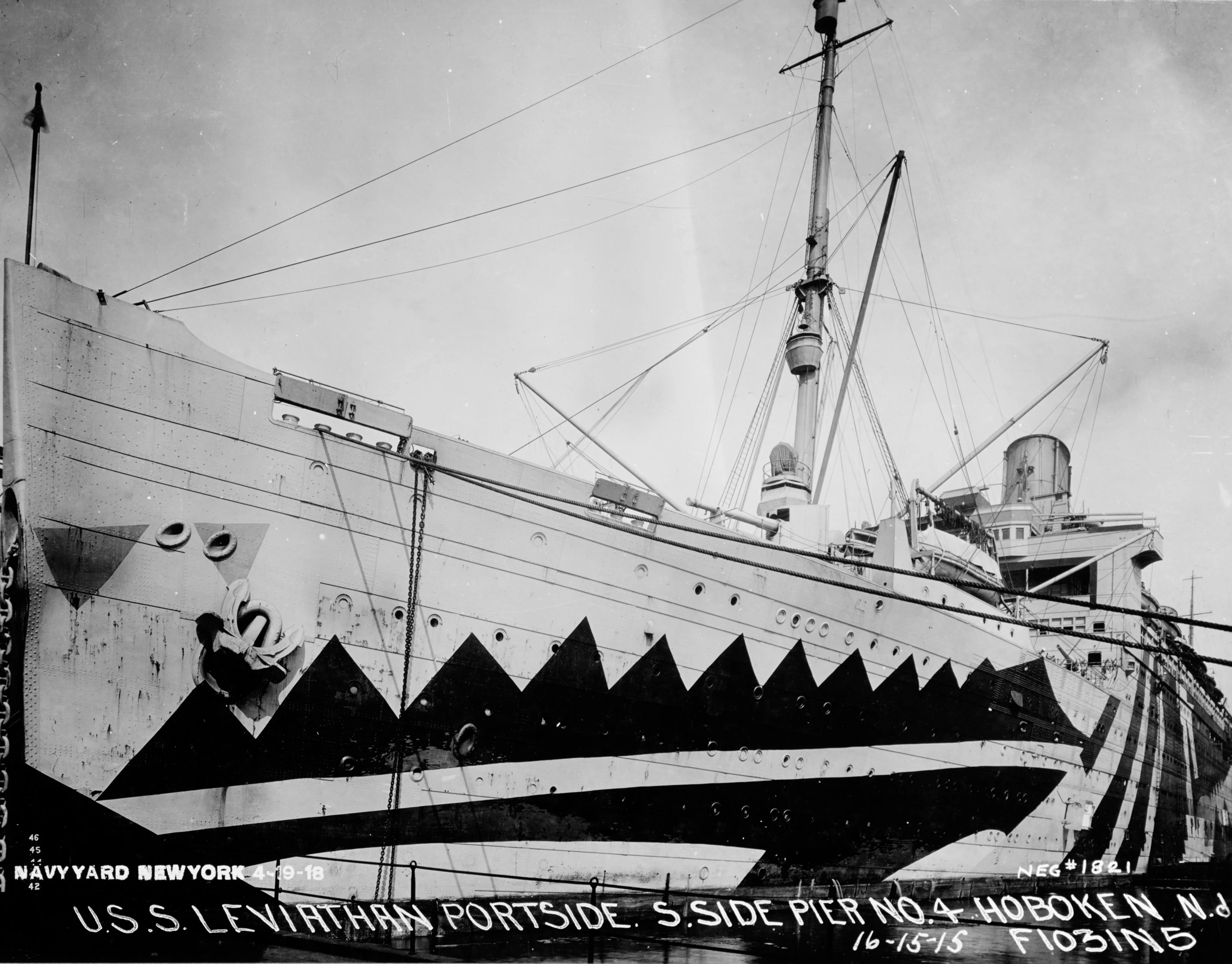
U.S.S. Leviathan, 1918